
Journal
Palm Oil Has Moved to Borneo. What That Means for the Bottle in Your Shower
New Trase data show Kalimantan accounted for most of Indonesia's palm-oil clearing in 2025, as the EU's deforestation rules near their start date and widen to soaps and palm-derived ingredients.
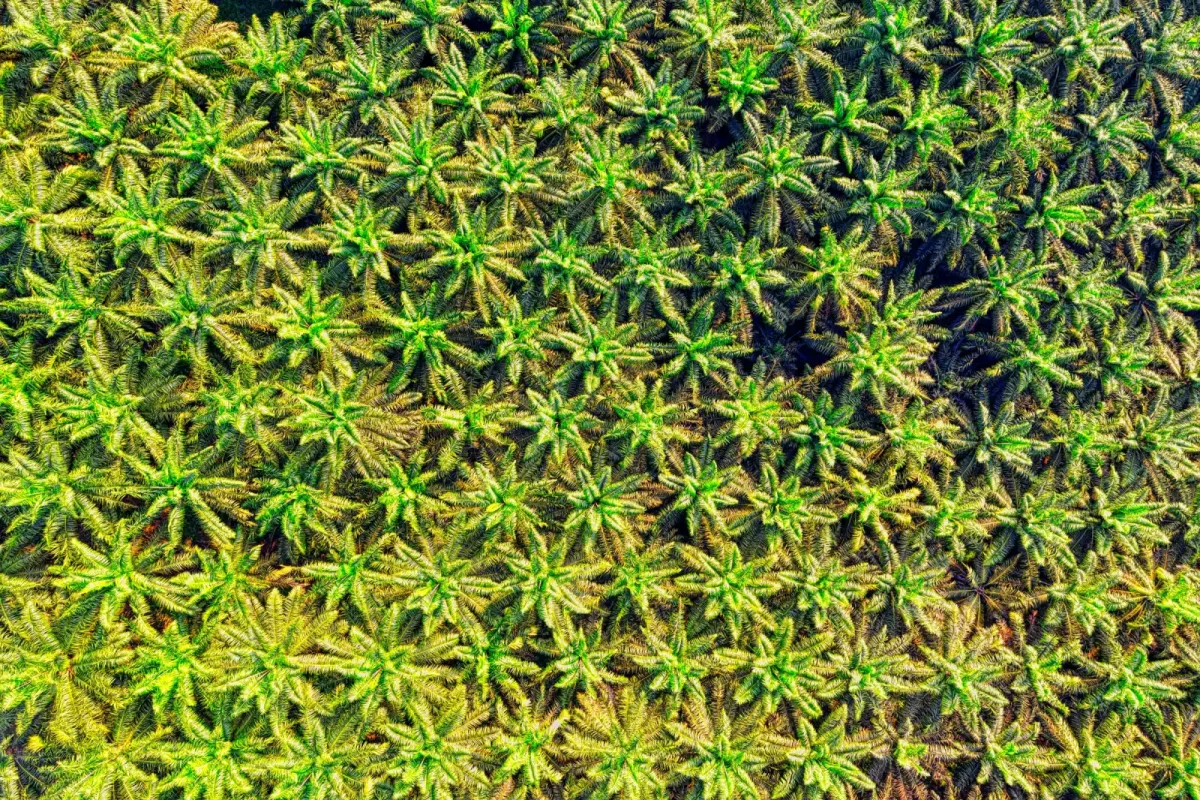
Palm oil is best known as a cooking fat, but it also ends up in the bathroom. In soap, shampoo and shower gel it rarely appears as "palm oil". It arrives as derivatives instead: cleansing agents, fatty alcohols, acids and glycerine made from the fruit or the kernel of the oil palm. Where that oil is grown has changed, and so have the rules about proving it.
The frontier moved to Borneo
On 13 October 2026 the supply chain research group Trase published its latest analysis of Indonesian palm oil. Kalimantan, the Indonesian part of Borneo, accounted for 56 per cent of the country's palm-oil-driven forest clearing in 2025. In Sumatra, historically the centre of palm oil expansion, clearing has fallen by more than 90 per cent from its historical highs. Papua is rising: from roughly 3,600 hectares in 2024 to more than 7,300 hectares in 2025.[1]
The national trend is better than it was a decade ago. Deforestation linked to palm oil is more than 81 per cent below its 2008 to 2015 average of 166,544 hectares a year, and 2024 recorded about 32,000 hectares, a historic low, although Trase notes a recent uptick.[1]
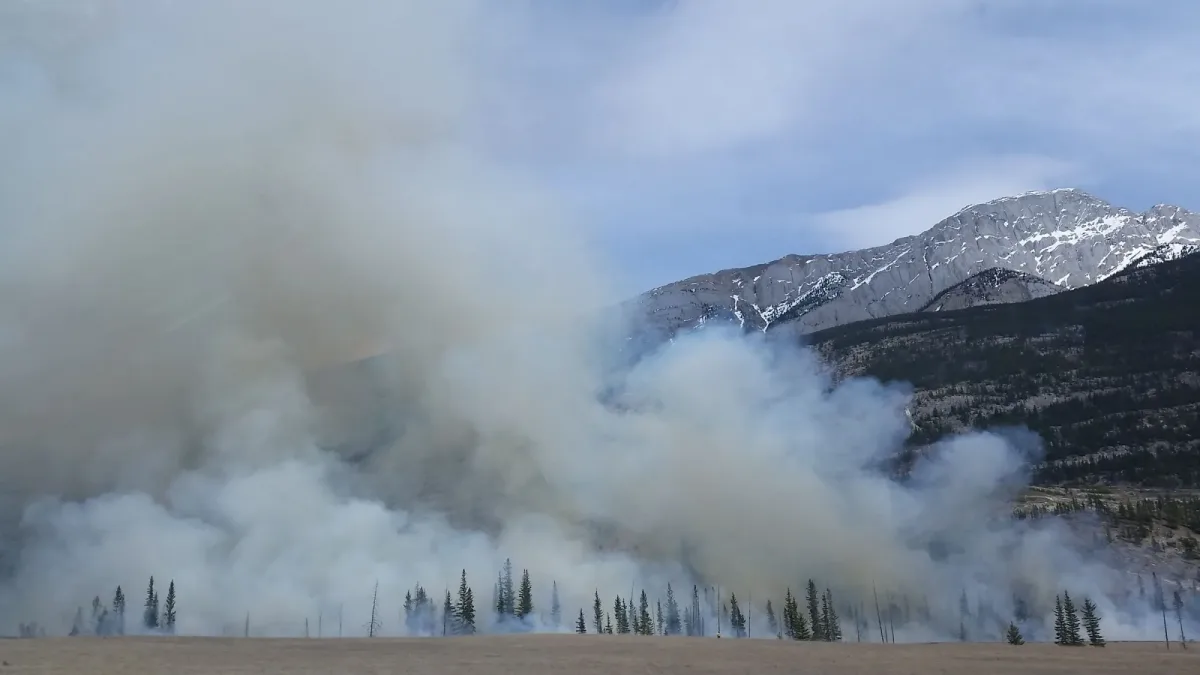
Peat is the other number to watch. According to Trase, productive oil palm on peat grew by 28 per cent, from about 1.28 million hectares in 2015 to 1.64 million hectares in 2024, and peat subsidence and peat burning together account for almost 85 per cent of the sector's emissions.[1] Drained peat is also what burns in a haze year, as the 2026 fires in Kalimantan have shown.
Who buys it
Most Indonesian palm oil now stays in Indonesia. Domestic consumption reached 24.6 million tonnes in 2024, 53 per cent of output, driven largely by biodiesel blending, a mandate Trase notes is set to expand to a 50 per cent blend (B50). Exports to the European Union fell from 3.78 million tonnes in 2018 to 1.9 million tonnes in 2024. The largest buyers in 2024 were India (4.37 million tonnes), Pakistan (3.15 million) and China (2.48 million).[1]
For a shopper in Bangkok or Kuala Lumpur, that means the EU's new rules, described below, will not reach most of the palm oil grown in the region. They matter because many personal care brands sell in Europe and source the same ingredients for every market.
Europe's rules arrive
The EU Deforestation Regulation requires companies that place palm oil and other covered commodities on the EU market to carry out due diligence and file a statement for each product. After a further 12-month delay under Regulation (EU) 2025/2650, it applies from 30 December 2026 to large and medium-sized operators, and from 30 June 2027 to the smallest businesses for most products.[2]
The list of products is also growing. On 13 July 2026 the European Commission adopted a delegated act adding certain palm oil derivatives used in oleochemical supply chains, and certain soap products; the new entries apply from 30 December 2027.[3] It was published in the Official Journal on 17 September 2026 as Delegated Regulation (EU) 2026/2102, and its palm-derived categories include alcohols, acids, esters, certain glycerol products and soaps made with oil palm commodities.[4]
Reading a label
Palm derivatives rarely announce themselves. Guides for shoppers list dozens of names that can point to palm, among them sodium lauryl sulfate, sodium laureth sulfate, stearic acid, palmitate and palm kernel oil, which appears on labels by its botanical name, Elaeis guineensis.[5] Several of these ingredients can also be made from other plant oils, so the ingredient list alone cannot tell you where the oil came from, or whether it was certified.
That information sits with the manufacturer. The useful questions to ask a brand are simple:
- Do your formulas use palm-derived ingredients?
- Where does that palm oil come from?
- Is it certified, and under which supply chain model?
What is still unanswered
Trase's data trace deforestation to the companies and markets that buy the oil; they do not follow it into a particular bottle. The EU rules will cover what is sold in Europe, not what is sold in Thailand or Malaysia, and the derivatives that matter most to personal care are only covered from the end of 2027. Until then, transparency depends on brands choosing to answer.
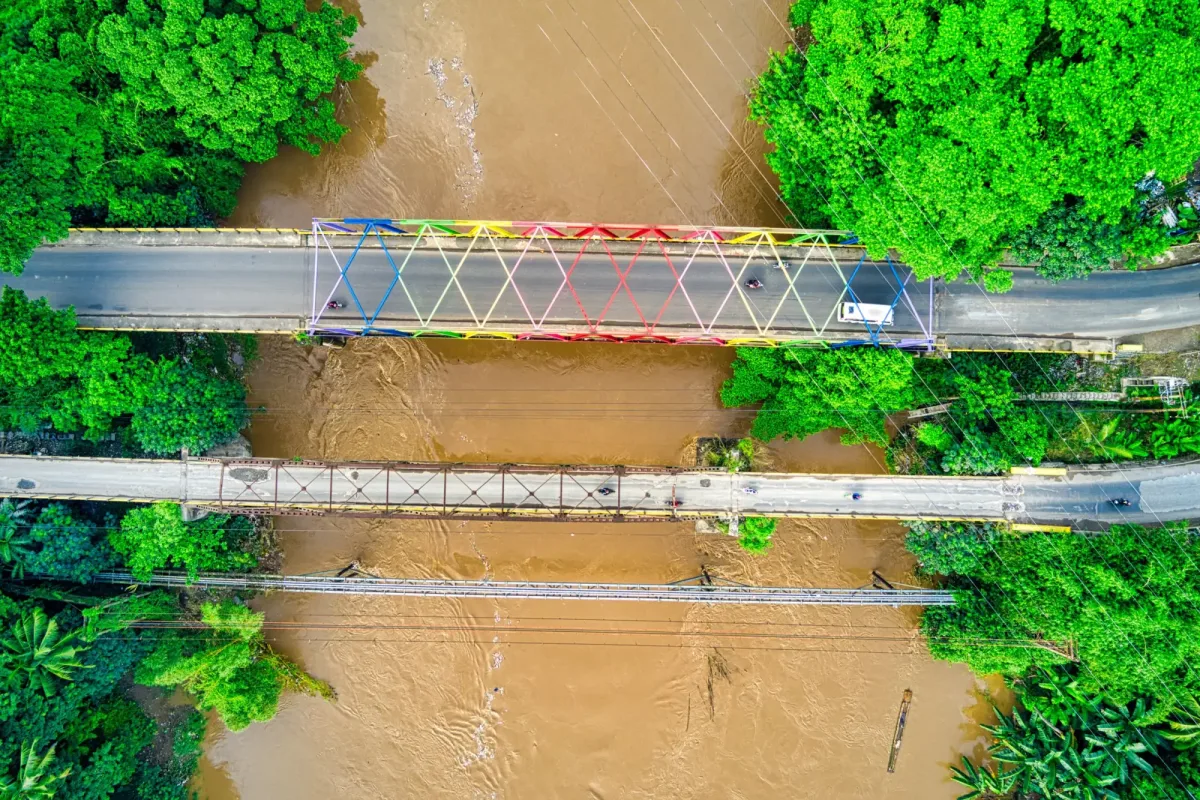
Disclosure: Plus Minus Lab, which publishes this site, makes body care and hotel amenities; this article does not assess our own supply chain. Questions about the ingredients in our SCENTS and −2°C Rosemary & Mint ranges are welcome through our contact page. Related reading: what Sumatra's 2025 floods revealed about its forests, and every article in the Journal.
References
- Jason Jon Benedict, Adelina Chandra, Robert Heilmayr and Akhmad Kamaluddin, "Indonesian palm oil exports and deforestation", Trase, 13 October 2026.
- European Commission, "Delay until December 2026 and other developments in the implementation of the EUDR Regulation", Access2Markets, 28 January 2026.
- Linklaters, "EU Deforestation Regulation: Commission adopts Delegated Act on product scope and Implementing Act on the Information System", 15 July 2026.
- "EUDR Scope Extended to Palm-Derived Chemicals and Soap", VATupdate, 30 September 2026.
- Better Planet Education, "Palm Oil: A palm by any other name", factsheet.
Cover photo: Tom Fisk / Pexels (an oil palm plantation in Sukabumi, West Java). Links checked on 15 October 2026.