
Journal
The Plastics Treaty Came to Bangkok. Here Is Where It Stands
A year after talks collapsed in Geneva, negotiators met in Bangkok to rebuild a global treaty on plastic pollution. The draft on the table has no limit on production, and the next formal round is set for 2027.
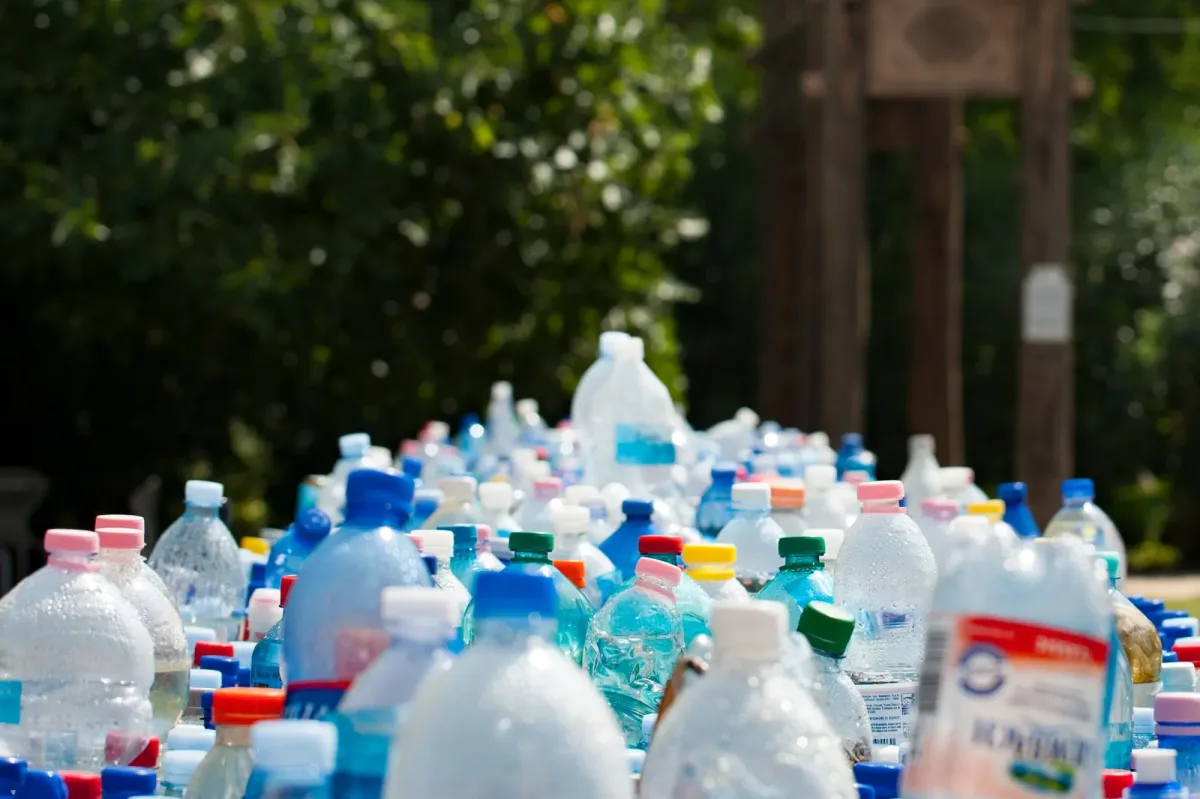
From 27 to 30 September 2026, the heads of delegation of countries negotiating a global treaty on plastic pollution met at the United Nations Conference Centre in Bangkok.[4] It was not a formal round, and no text was agreed. It was, though, the clearest picture yet of where the talks stand a year after they collapsed in Geneva.
How we got here
In March 2022, 175 countries agreed in Nairobi to negotiate a legally binding treaty to end plastic pollution.[2] Four years on, there is still no treaty. The resumed session in Geneva closed on 15 August 2025 without consensus on a text: delegates could not agree whether obligations across the life cycle of plastics should be binding or voluntary. In the final days, many countries objected to the chair's draft, and a revised version appeared at one in the morning before the last plenary.[1]
The committee's chair stepped down after Geneva. Chile's ambassador, Julio Cordano, replaced him and in March 2026 set out a roadmap of informal meetings: heads of delegation met in Nairobi in early July, and again in Bangkok in September.[2] Civil society observers were kept out of the Nairobi meeting, which the Center for International Environmental Law called unacceptable.[3]
The draft on the table
In August 2026, Cordano published an informal reference document, the "Aid to Negotiations".[4] According to Health Policy Watch, roughly half of its 31 articles are substantively unchanged from the text rejected in Geneva. It contains no limits on plastic production, no controls on chemicals, no financing provisions and no standalone article on health, and its obligations are voluntary and nationally determined. The chair has called it a "no surprises" text; critics say it is as weak as the one that failed.[2]
The fault line has not moved. A coalition of more than 100 countries supports capping global production. The United States and the Gulf petrochemical producers oppose measures on production, and because the committee decides by consensus, any single state can block agreement.[2]
The numbers behind the dispute are stark. Less than 10 per cent of plastic is ever recycled, about 98 per cent of it is made from fossil fuels, and production is on track to triple by 2060.[2]
What happened in Bangkok
The Pacific Small Island Developing States, 14 countries chaired by Fiji, asked for an ambitious and implementable treaty that covers the whole life cycle of plastics, and for the next version of the chair's text to keep the full range of options open rather than narrowing the talks too early. They also asked for finance, technical help and technology transfer to match the obligations.[4]
At the closing plenary, more than 70 developing countries backed a statement making the market case for a treaty that goes beyond the lowest common denominator. Together, CIEL says, they account for more than a quarter of global demand for plastics.[5] CIEL's own view was blunt: statements alone will not change the outcome, and consensus has become a veto.[5]
What comes next
A revised draft is expected before the end of 2026. Heads of delegation meet again in Nairobi in January 2027, and the next formal negotiating session, INC-5.4, is scheduled for March 2027.[4][5]
Rules are not waiting for the treaty. New York's ban on small plastic toiletry bottles in hotels took effect for larger properties in 2025, and hotel groups have been replacing miniatures with larger bottles and wall dispensers for years, as we reported in Mini Bottles Are Leaving Hotel Bathrooms. At home, the most direct choice is the same one hotels face: larger bottles and refills mean less packaging per wash.
Disclosure: Plus Minus Lab, which publishes this site, makes body care and hotel amenities in formats from travel tubes to refills; see the SCENTS collection or shop all products. On the same theme: microplastics in rinse-off products and the EU's 2027 deadline, and every article in the Journal.
References
- IUCN, "Plastics Treaty negotiations end without agreement in Geneva", 15 August 2025.
- Stefan Anderson, "A Year After Collapse in Geneva, Plastics Treaty Negotiations Remain Paralysed", Health Policy Watch, 14 August 2026.
- Center for International Environmental Law, "Plastics Negotiations Resume with Multilateralism on the Line", 3 July 2026.
- SPREP via PINA, "Pacific calls for a strong, implementable global plastics treaty in Bangkok", 30 September 2026.
- Center for International Environmental Law, "Countries Unite Behind Effective Multilateralism During Plastics Treaty Talks in Bangkok", 30 September 2026.
Cover photo: mali maeder / Pexels. Links checked on 15 October 2026.