
Journal
El Niño Is Back. What 2024 Taught Thailand About Its Coral Reefs
In 2024 Thailand closed 12 marine national parks as its reefs bleached. A year later some dive sites reopened. With a strong El Niño under way in 2026, here is what happened, and how visitors can help reefs recover.
In May 2024, Thailand's Department of National Parks, Wildlife and Plant Conservation closed 12 national marine parks until further notice, among them Mu Koh Surin, Mu Koh Chang, Mu Koh Lanta and Hat Noppharat Thara–Mu Koh Phi Phi. Officials linked the bleaching to rising sea temperatures associated with El Niño.[1]
Two years later, El Niño is back. Mongabay reported that a "super" El Niño officially arrived in June 2026, with the U.S. Climate Prediction Center giving it an 81 per cent chance of reaching very strong intensity between October and December.[4] That makes 2024 worth remembering.
What happened in 2024
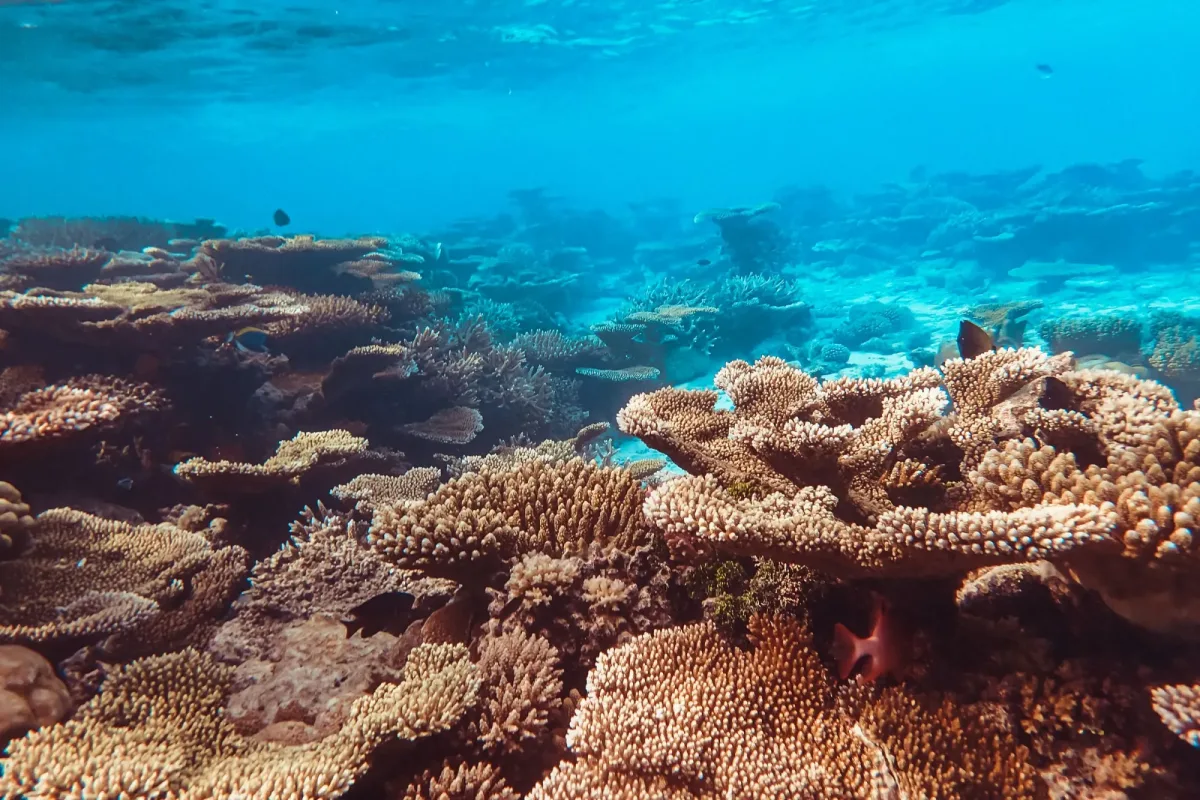
About half of the coral reefs in the Gulf of Thailand bleached, including around Koh Tao in Surat Thani and Koh Kram in Chumphon, according to the Department of Marine and Coastal Resources. In the Andaman Sea about 20 per cent of reefs were affected, mostly in shallow water up to two metres deep, though bleaching in Mu Koh Lanta National Park reached five metres. The bleaching began in April and was expected to continue until July.[1]
Bleaching happens when water stays too warm for too long and corals expel the algae that live in their tissue and give them colour and much of their food. A bleached coral is not yet dead, which is why closing a reef can make a difference: it removes one source of stress while the water cools.
A global event
Thailand was not alone. In April 2025, NOAA and the International Coral Reef Initiative reported that bleaching-level heat stress had reached 84 per cent of the world's reef area between January 2023 and March 2025, in 82 countries and territories. It is the largest of the four global bleaching events on record: the first, in 1998, affected 21 per cent of reefs; the second, in 2010, 37 per cent; the third, from 2014 to 2017, 68 per cent.[3]
Scientists quoted at the time warned that the heat stress behind such events may no longer fall below the level that triggers them, and that the reefs were in uncharted waters.[3]
Some reefs reopened
Recovery is possible where the stress stops. Hat Noppharat Thara–Mu Ko Phi Phi National Park, which had closed popular diving and snorkelling sites on 13 May 2024, reopened ten of them on 17 April 2025, including parts of Koh Poda, Railay Bay, Viking Cave and Loh Ba Gao Bay, after the park saw improvement. The western side of Koh Gai, Ao Khang Khao, stayed closed to protect sensitive reef areas.[2]
The park asked visitors, guides and boat operators to follow its rules:[2]
- Do not throw litter or food waste into the sea.
- Do not anchor on coral reefs.
- Do not touch or stand on coral or marine animals.
What 2026 might mean
No one can yet say whether 2027 will repeat 2024. That depends on how warm the sea gets in the months ahead, which NOAA Coral Reef Watch tracks with satellite heat-stress outlooks for reefs worldwide. What 2024 showed is how quickly Thai parks are prepared to close reefs, and that closures can work.
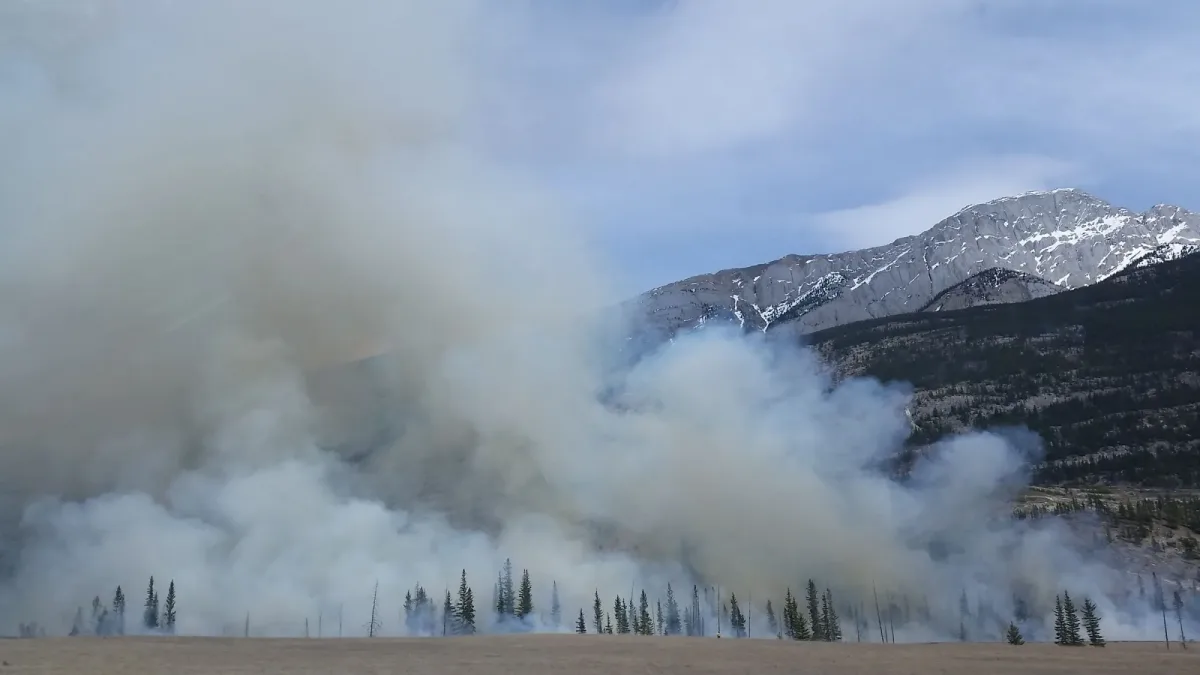
For travellers, the practical advice is the park's own: check whether a site is open before you book, choose operators who moor rather than anchor, and keep your hands and fins off the coral. The same El Niño has been linked to this year's long dry season in Indonesia and the haze from Kalimantan.
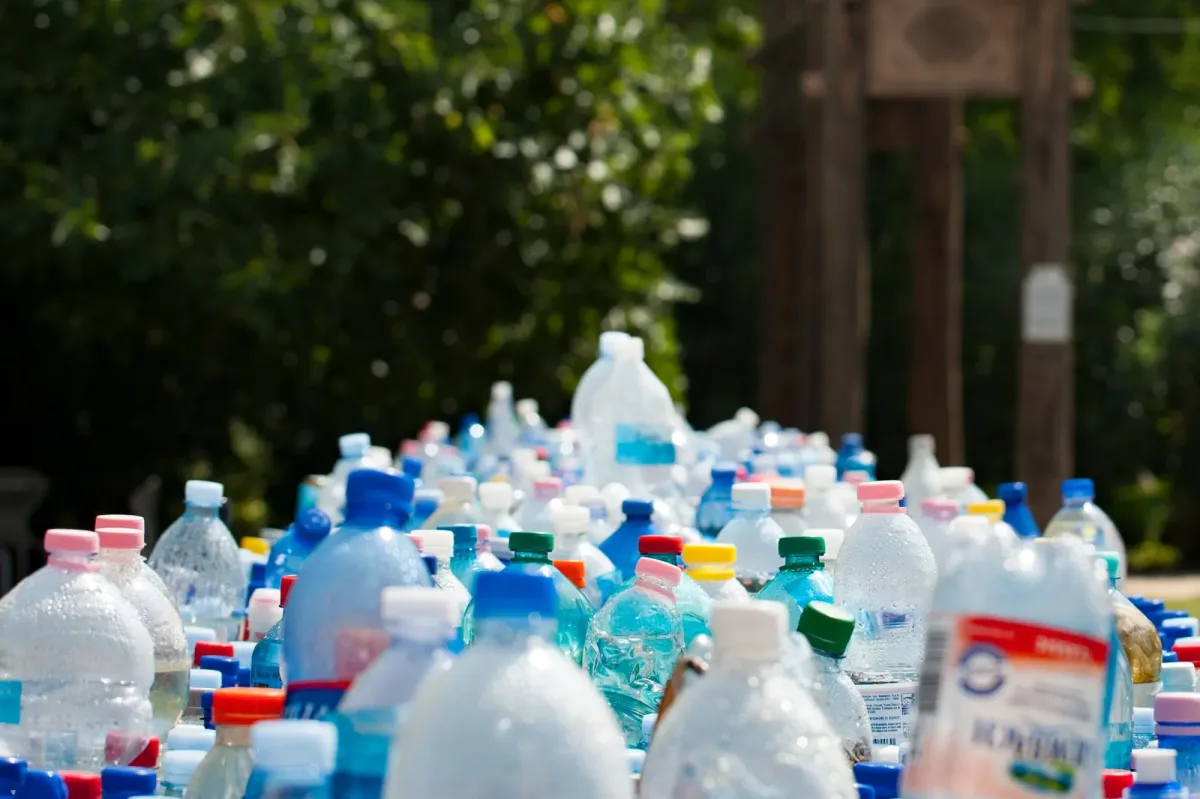
Disclosure: Plus Minus Lab, which publishes this site, makes body care and hotel amenities. More reporting on what reaches the sea is in Microplastics in Rinse-Off Products and the Journal; more about us is on the About page.
References
- "Thailand shuts 12 national marine parks amid coral bleaching crisis", The Nation, 10 May 2024.
- "Phi Phi Islands reopen 10 dive sites after year-long closure due to coral bleaching", The Nation / ANN via The Star, 17 April 2025.
- "Unprecedented Bleaching Event Affects 84 Percent of World's Corals", The Maritime Executive, 27 April 2025.
- Hans Nicholas Jong, "Indonesia's wildfire season surges as haze spreads into Malaysia", Mongabay, 13 August 2026.
Cover photo: wewe yang / Pexels. Links checked on 15 October 2026.