
Journal
Kalimantan Is Burning Again: The 2026 Haze, and Why It Keeps Coming Back
Fires on Indonesian Borneo have sent smoke across Sarawak, Peninsular Malaysia and Singapore, pushed one Malaysian district into an emergency and led residents of West Kalimantan to take their president to court.
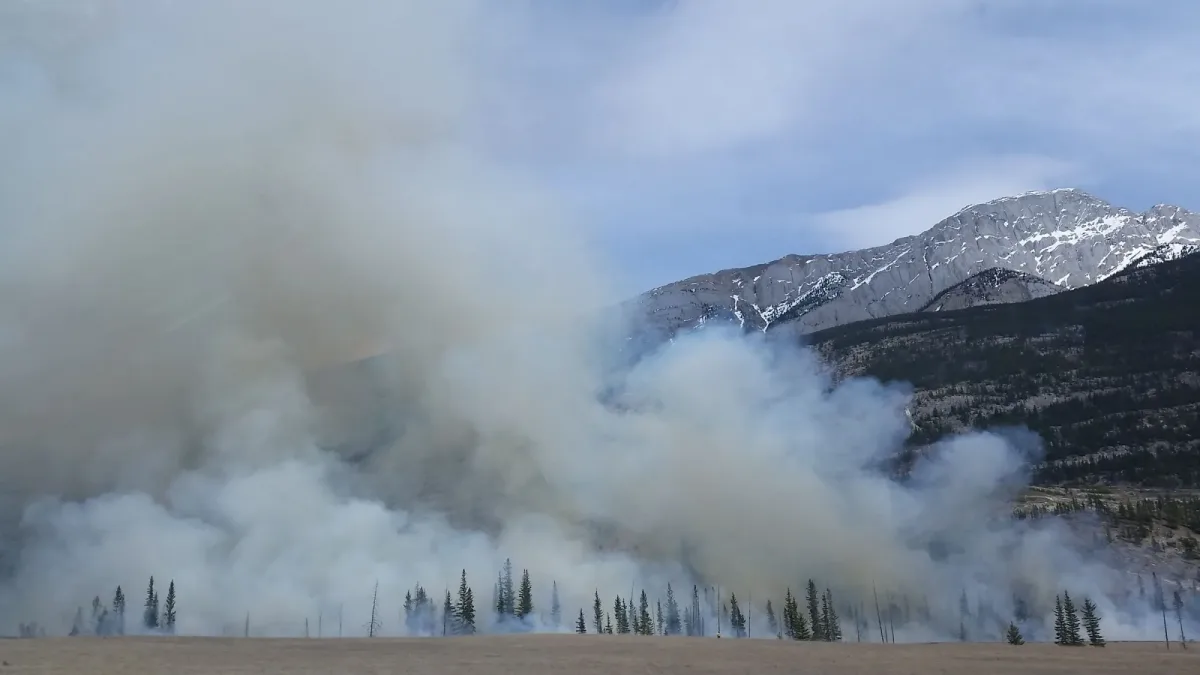
On 4 September 2026, the Air Pollutant Index in Serian, a town of just under 90,000 people in Sarawak near the Indonesian border, reached 521, according to Malaysia's environment department. Kuching, the state capital, recorded 311. The same day, with the consent of the King, Malaysia declared an emergency in Serian.[1] Al Jazeera reported that 647 schools in the district closed, together with government and private offices, plantations, construction sites and quarries, leaving only essential services running.[2]
The smoke came from across the border. Fires on Indonesian Borneo, the region Indonesians call Kalimantan, and on Sumatra had been burning since the middle of the year. By early September the haze had reached Sabah, Peninsular Malaysia and Brunei, and Singapore began issuing daily haze advisories for the first time since 2023.[2]
How big are the fires?
The answer depends on who is counting. Indonesia's disaster management agency, BNPB, reported 48,889 hectares burned across six priority provinces as of 9 August, more than half of it, 28,680 hectares, in West Kalimantan. The research group Madani Berkelanjutan, using its own method, counted 50,558 hectares in West Kalimantan alone, and a burned area nationwide that rose eightfold between June and July, from 15,474 to 124,040 hectares.[3]
Hotspot counts point the same way. The monitoring platform FireWatch recorded more than 96,000 hotspots by 27 July, against about 88,000 at the same point in 2019 and 58,000 in 2023, and more than 154,000 by 11 August.[3] Greenpeace Indonesia counted 592 hotspots across Kalimantan between 11 and 16 August, 455 of them on peatland: 322 in West Kalimantan, 181 in Central Kalimantan and 86 in South Kalimantan.[4]
Why peat matters
The six provinces Indonesia has prioritised are Riau, Jambi and South Sumatra on Sumatra, and West, Central and South Kalimantan on Borneo. All of them contain large areas of peatland that catch fire easily in the dry season.[3] Peat is soil built up from partly decayed plant matter over a very long time. Drained for plantations and dried out, it can smoulder below the surface, which is why peat fires are hard to put out and why they produce so much smoke.
The fires are also close to wildlife. Mongabay reported that fire reached the edge of the Sungai Putri forest, a peatland that is home to an estimated 750 to 1,750 Bornean orangutans, on 7 August.[3]
Why this year?
The weather is a large part of the answer. According to Mongabay, a "super" El Niño officially arrived in June 2026, and the U.S. Climate Prediction Center put the chance of it reaching very strong intensity between October and December at 81 per cent.[3] The plaintiffs' lawyer in West Kalimantan told AFP that the authorities had months of warning of an intense dry season linked to El Niño, and the province has lived through major fire years before, in 2015 and 2019.[5]
Money is the other part. BNPB's budget for 2026 is 491 billion rupiah, about US$27.5 million, down from 2.01 trillion rupiah, about US$113 million, in 2025. About 48,000 personnel and 35 aircraft have been deployed across the six provinces.[3]
On enforcement, a senior official at Indonesia's National Police said investigators were looking into 167 cases of deliberate burning across nine provinces, covering about 4,700 hectares.[1] The government has also pointed to an investigation into 95 corporations.[5]
Residents take the state to court
In Pontianak, the capital of West Kalimantan, four residents and organisations representing young people, the environment and Indigenous communities, among them the Indigenous peoples' alliance AMAN, have filed a class action. It names President Prabowo Subianto and 26 national, provincial and local officials, as well as the police and emergency services, and accuses the state of "negligence, omission and failure" that caused a public health crisis.[5]
The plaintiffs ask for a national emergency to be declared to release resources for fighting the fires and for recovery, free treatment for people with acute respiratory infections, compensation for the families of those who died, and an investigation into the causes, including companies that clear land by burning. The government said it respects the legal action. The next hearing was scheduled for 21 October.[5]
Across the border, Greenpeace Malaysia has made a related point: people in Malaysia are being asked to bear the health and social costs of a haze they did not cause, and Greenpeace Indonesia and Malaysia have called for audits of the concessions in fire-affected areas and for their ownership to be made public.[4]
What is still unanswered
The figures available are emergency counts and estimates, not a final tally of the land burned or of the people made ill. Rain will clear the air for a while, but it will not rewet peat that has been drained. And the lawsuit's central question, who answers for land that burns year after year, will be settled in court, not by the weather.
To follow the smoke where you are, the ASEAN Specialised Meteorological Centre maps hotspots and haze across the region every day. When readings are high, Sarawak's disaster management committee has asked people to keep outdoor activity to a minimum.[2]
Disclosure: Plus Minus Lab, which publishes this site, makes body care and hotel amenities. The haze is one end of a supply chain story we follow: read how palm oil clearing has moved to Borneo, what Sumatra's 2025 floods revealed about its forests, and why El Niño matters for Thailand's reefs. More about us is on the About page, and every article is in the Journal.
References
- Gavin Blackburn, "Malaysia declares air quality emergency as haze linked to Indonesia fires reaches critical level", Euronews, 4 September 2026.
- "Malaysia declares emergency in Sarawak as haze from Indonesia worsens", Al Jazeera, 5 September 2026.
- Hans Nicholas Jong, "Indonesia's wildfire season surges as haze spreads into Malaysia", Mongabay, 13 August 2026.
- Greenpeace Southeast Asia, "Greenpeace Indonesia and Malaysia: Transboundary haze is not a new disaster, governments and companies must act faster and more decisively", press release, 24 August 2026.
- AFP, "Indonesians on fire-ravaged island sue state for clean air", France 24, 14 October 2026.
Cover photo: Pixabay / Pexels (a forest fire; not Kalimantan). Links checked on 15 October 2026.